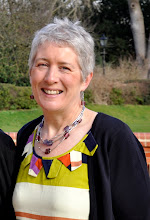
Happy New Year to you all!
 Today - New Years Eve is the last day of my 365 project and the photo above is going to be my POTD. I am toasting the start of a new year and new opportunities - while Steven is toasting to the fact that he will never ever have to have his photo taken again or hear the words 'I have just got to do my blog first' , when he comes home from work and expecting his tea on the table!
We have spent a quiet day - enjoyed a walk along the riverbank, studying the bridges that cross the River Severn in Shrewsbury, in preparation for a new geocache that I am in the process of setting up.


The Welsh bridge.

The English bridge

Kingsland toll bridge

Porthill footbridge.
Back at home I did my traditional New Year duty and filled in my new Calendar and diary.

We indulged in another tasty Chinese takeaway (can be a whole week since we had our last takeaway, on Christmas Eve?) before settling down to watch Jools Holland bring in the New Year.


Happy new year to you all and please pop by tomorrow to see my final blog post.